

Cities are becoming smarter as technology continues to change how people live, work, and interact with their surroundings. From intelligent traffic lights to digital public services, modern cities are finding new ways to improve everyday life. However, managing all these connected systems can be challenging. This is where blockchain technology could make a difference. Blockchain is best known for its connection to cryptocurrencies, but its uses go far beyond digital money. It offers a secure and transparent way to store and share information. When combined with smart city technology, blockchain could help improve efficiency, reduce waste, and make urban services more reliable.
What Is Blockchain Technology?
Blockchain is a digital system that records information across a network of computers. Instead of keeping all information in one central location, it distributes records across multiple participants. Once information is properly recorded, changing it without detection becomes extremely difficult. This makes blockchain useful for managing important information that needs to remain secure and transparent. In smart cities, it could help different departments, businesses, and connected devices exchange information more reliably.
Improving Smart City Data Security
Smart cities depend on large amounts of data collected from cameras, sensors, transportation systems, and other connected devices. Protecting this information is essential, especially when it involves residents and public services. Blockchain can provide tamper-evident records and help verify information shared between different systems. This could make it harder for unauthorized users to manipulate important records. However, blockchain still needs proper access controls and cybersecurity measures to protect sensitive information.
Supporting Smarter Energy Management
Energy consumption is another important issue for modern cities. Blockchain could help manage decentralized energy networks where households and businesses generate and share electricity. For example, homes with solar panels could potentially sell excess electricity to nearby users through blockchain-based energy trading platforms. Smart contracts could automatically record transactions and manage payments according to agreed conditions. This approach could encourage renewable energy use and make local energy systems more flexible.
Making Public Transportation More Efficient
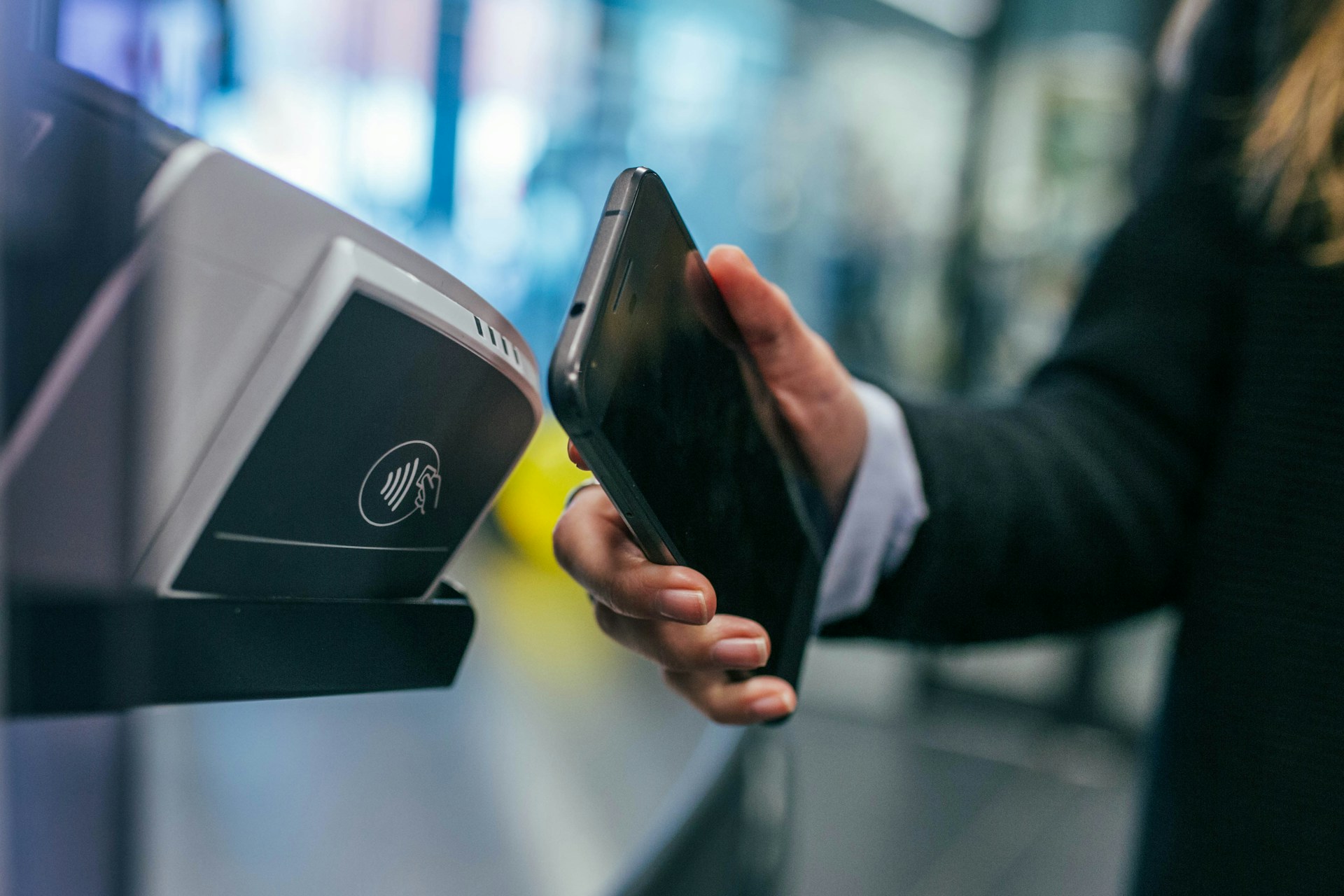
Traffic congestion and unreliable public transportation are common challenges in growing cities. Blockchain could support smarter transportation systems by helping manage digital tickets, payments, and vehicle information. For example, commuters could use digital payment systems connected to blockchain networks to purchase transport tickets more conveniently. Transport providers could also share verified information about vehicles and services. When combined with real-time traffic technology, these systems could contribute to smoother urban transportation.
Improving Waste Management Systems
Waste management requires proper coordination between residents, collection companies, and local authorities. Blockchain could help cities maintain transparent records of waste collection, recycling activities, and disposal processes. For instance, digital records could show when waste was collected and where recyclable materials were delivered. This information could help authorities monitor service performance, identify inefficiencies, and improve accountability. Combined with smart sensors, blockchain could support better waste management decisions.
Making Government Services More Transparent
Blockchain could also improve how residents interact with local government services. Important records involving property ownership, permits, public contracts, and administrative transactions could be managed using secure digital systems. Transparent records could make it easier to track certain government activities and reduce opportunities for unauthorized changes. Smart contracts may also automate specific administrative processes, helping reduce delays and unnecessary paperwork.
Connecting Blockchain With Smart Devices
Smart cities rely heavily on the Internet of Things (IoT), which connects devices such as traffic sensors, streetlights, and environmental monitoring systems. Blockchain could help these devices exchange verified information without depending entirely on one central database. This combination could improve coordination between connected systems and create more reliable digital infrastructure. However, cities would need to consider costs, network performance, and the ability of blockchain platforms to handle large amounts of data.
Blockchain technology has the potential to make smart cities more efficient by improving data security, transportation, energy management, and public services. Although challenges such as cost, scalability, and privacy still need attention, combining blockchain with other emerging technologies could help create smarter, more connected, and more reliable cities.